Transforming service delivery with voice AI
How Olympic Community Action Programs reshaped LIHEAP intake across two counties in Washington State.
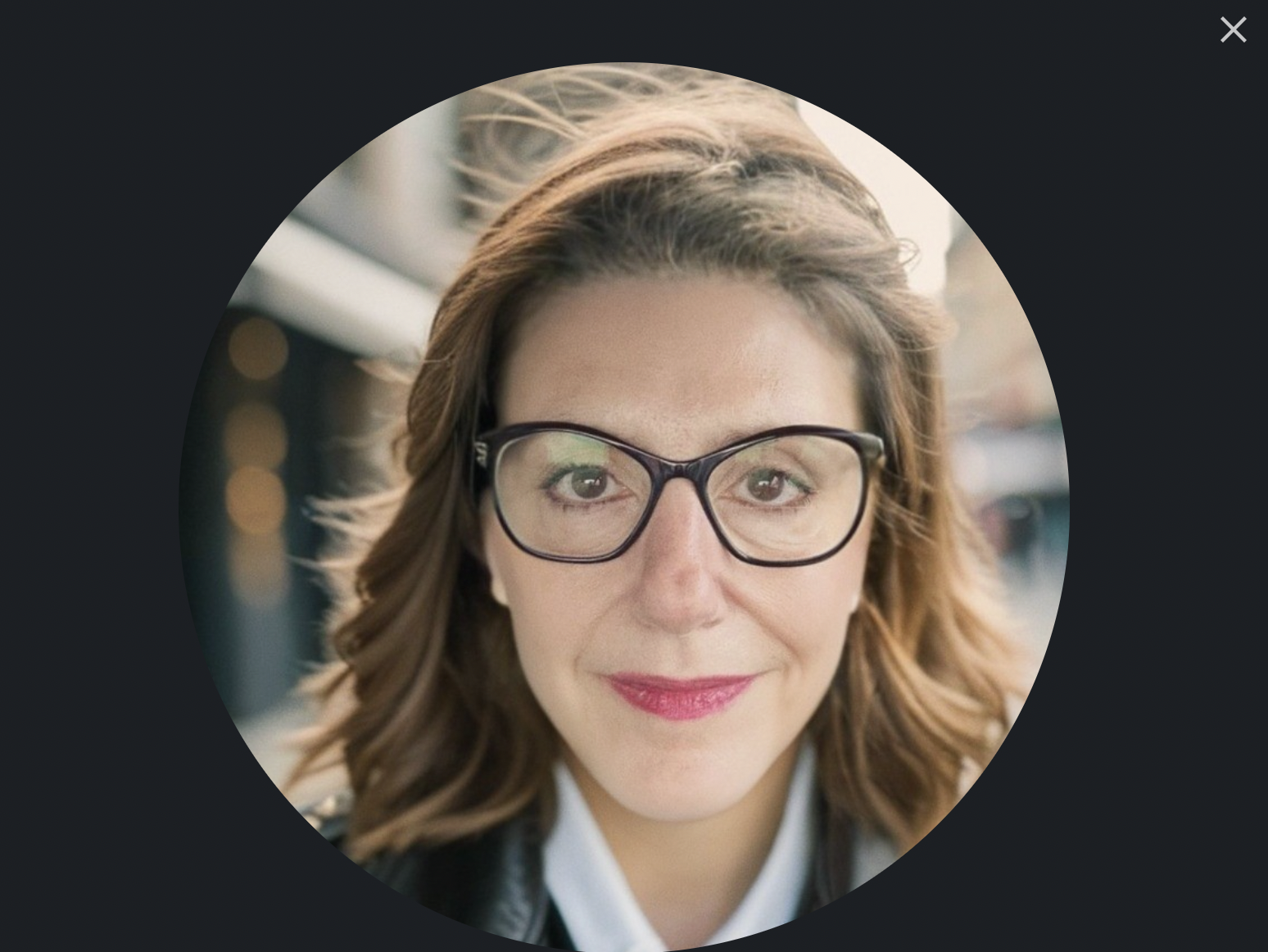
"Our team was spending their precious human hours doing things that were redundant… things that weren't necessarily requiring a human touch."
Holly Morgan, OlyCAP
Scaling LIHEAP without scaling staff.
Q1 LIHEAP service delivery · Year over year
Q1 2025
Before voice AI
Q1 2026
After voice AI
$75,000 more delivered to eligible households in a single quarter—same mission, fewer staff, smarter system.
Serving residents across two counties in Washington State
Olympic Community Action Programs (OlyCAP) is a Community Action Agency serving residents across a two-county region in Washington State.
The agency delivers a wide range of essential services—energy assistance through LIHEAP, early childhood support through Head Start, housing and homelessness programs, and services for seniors and people with disabilities. Each program plays a critical role, but they all share the same underlying challenge: reaching people quickly, clearly, and at scale.
At its core, OlyCAP exists to make sure that anyone who is eligible for help can access it—without friction, delay, or confusion.
A system problem, not a people problem
Eighteen months before working with Fortell, OlyCAP's mission was becoming harder to deliver—particularly within LIHEAP. The program had grown complex, spread across multiple locations, with a full team working hard to meet demand. But despite that effort, the results weren't where they needed to be.
Leadership took a step back. They spoke to staff. They listened to residents. They mapped the process end-to-end. What they found wasn't a people problem. It was a system problem.
Highly trained staff were spending their time repeating the same information, answering the same questions, and guiding applicants through steps that didn't require human judgment—only clarity and consistency.
"Our team was spending their precious human hours doing things that were redundant… things that weren't necessarily requiring a human touch."
The result was predictable. Staff were stretched thin. Residents faced delays. And capacity was capped, no matter how hard the team worked.
Voice AI, working above the system
OlyCAP partnered with Fortell to introduce voice AI into their intake and communication workflows. While the most immediate impact would be measured in LIHEAP, the system itself was designed to work across the agency—supporting Head Start and other community services.
From the outside, the change looked simple. Calls were answered instantly. Information was delivered clearly. Applicants were guided step by step through what they needed to do.
Behind the scenes, the system absorbed the repetitive work. It handled questions asked hundreds of times before. It explained documentation requirements. It created consistency across programs and locations. And it did all of this at any time of day.
"That's something that we can and have automated… and that has reduced the friction on the actual team."
For the first time, staff were no longer acting as the system. They were working above it.
Better outcomes, leaner team, more capacity
In the first quarter following implementation, LIHEAP service delivery increased from $300,000 to $375,000 compared to the same period the year before. At the same time, the structure of the team became leaner, with fewer full-time staff required to manage the workload.
What changed wasn't the effort. It was the efficiency. Productivity per staff member rose significantly, as more of their time was spent on the work that actually required human judgment.
"We reduced FTEs by two… and productivity per person went up."
And perhaps most importantly, the system itself began to carry the weight.
"That doesn't mean the work stopped being hard… it means the system absorbed demand more efficiently."
The system meets people where they are
This wasn't just an improvement to a single program. OlyCAP shifted from a model where people had to navigate the system, to one where the system meets people where they are.
Access became immediate. Communication became consistent. And capacity was no longer limited by how many calls staff could physically handle.
Because the same foundation now supports multiple programs, the impact extends beyond LIHEAP. It becomes a layer across the entire agency—one that scales with demand rather than breaking under it.
Not just more efficient. More human.
When repetitive work is removed, staff can focus on people. When access is simplified, more residents get served. And when the system absorbs demand, outcomes improve without adding complexity.
The result is not just better numbers. It's a service model that works.
Want results like OlyCAP?
See how Fortell can absorb demand and free your team to focus on people.
Book a Demo